The moment intelligence became part of the environment
When history looks back on 2025, it will probably not start with a president or a company.
It will start with a realization.
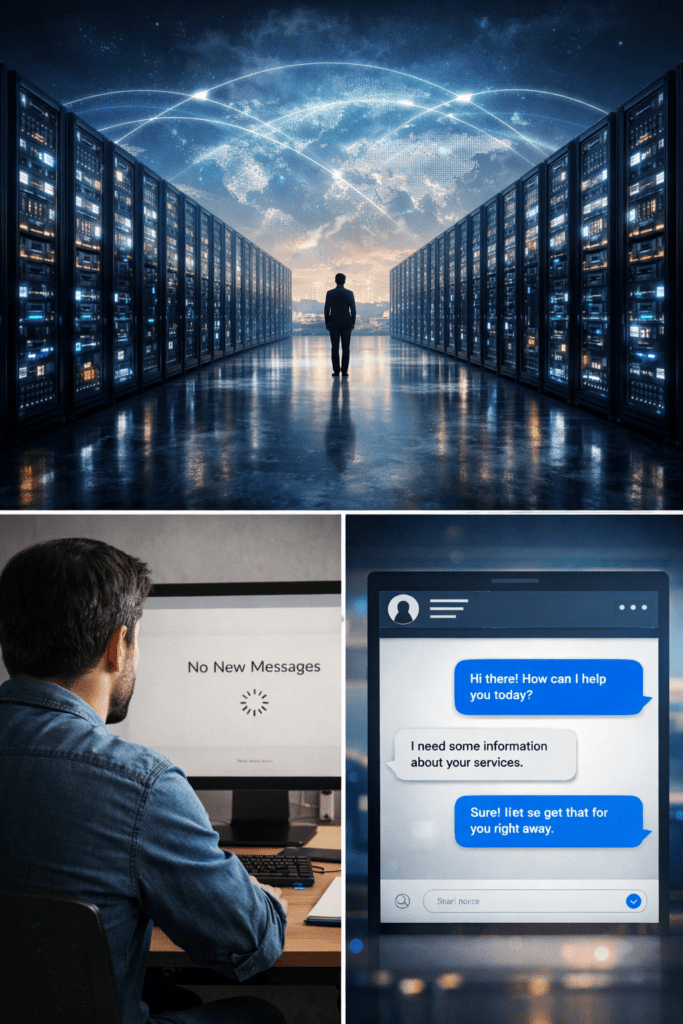
That intelligence itself stopped being something you hired, trained, or scheduled and became something that simply existed everywhere.
This is why Time Magazine did something it had never really done before. Instead of choosing a person, it chose artificial intelligence as its Person of the Year.
Not because AI is exciting.
Because AI became unavoidable.
This was not a popularity contest. It was a recognition that the operating system of the world had changed.
The shift most people felt before they understood it
Most people did not experience this change through a headline. They felt it in small moments.
A task that used to take an afternoon finished in minutes.
A question that used to require five emails answered instantly.
A decision that used to stall a project suddenly becoming clear.
This was not better software.
It was something new.
Intelligence was no longer locked inside people, offices, or business hours. It became ambient. Always present. Always available.
That is what Time was really naming.
Why Time chose a system instead of a person
Time has always used Person of the Year to mark moments when the world’s center of gravity shifts.
In 1982, it named The Computer.
In 2006, it named You.
Those were not stunts. They were signals that society had reorganized around a new force.
AI is the next one.
Because AI no longer just helps people work.
It changes how work itself happens.
It now shapes how students learn, how doctors diagnose, how governments plan, how businesses respond to customers, and how money moves through the economy.
No CEO controls that.
No company owns it.
No country can stop it.
That is why AI, not the people behind it, was chosen.
2025 was the tipping point
Several forces crossed at once.
Models stopped just predicting text and began reasoning.
Computing power scaled faster than any previous technology cycle.
AI tools moved from novelty to necessity in everyday work.
Global competition pushed massive investment into AI infrastructure.
At the same time, regulation lagged behind adoption, creating both opportunity and risk.
This is when the shift became permanent.
The world did not decide to use AI.
It simply reorganized around it.
What this means for businesses without anyone saying it out loud
Here is the part most headlines miss.
This change does not show up first in geopolitics or stock prices.
It shows up in customer behavior.
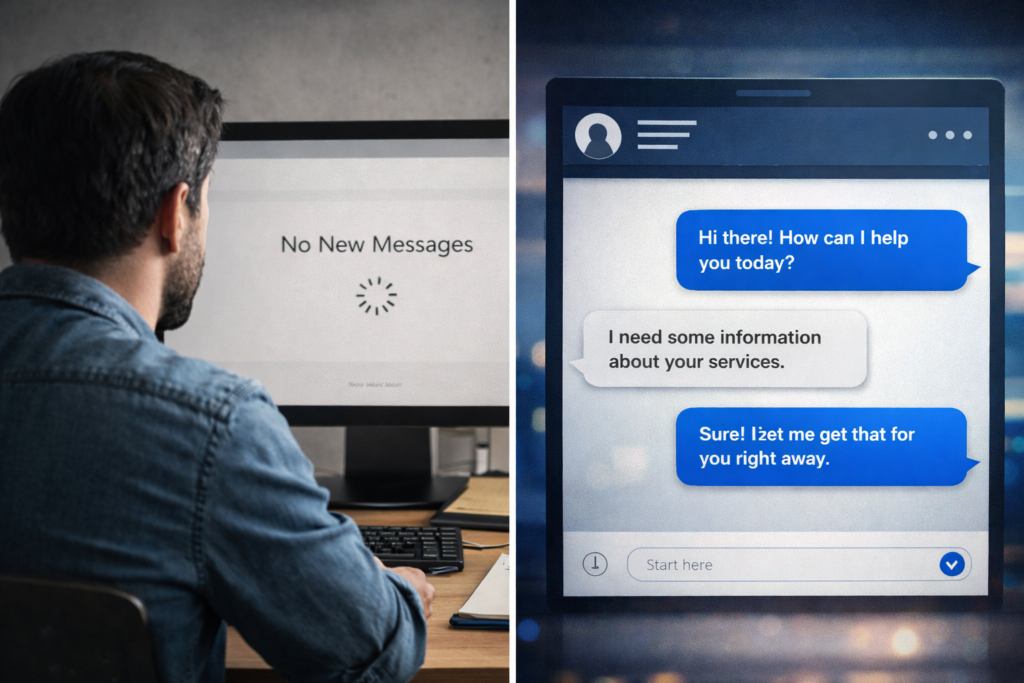
People now expect answers immediately.
They expect conversations, not forms.
They expect systems to remember, respond, and adapt.
Time captured the scale of that shift through a line from Nvidia CEO Jensen Huang. He told Time:
“Every industry needs it, every company uses it, and every nation needs to build it. This is the single most impactful technology of our time.”
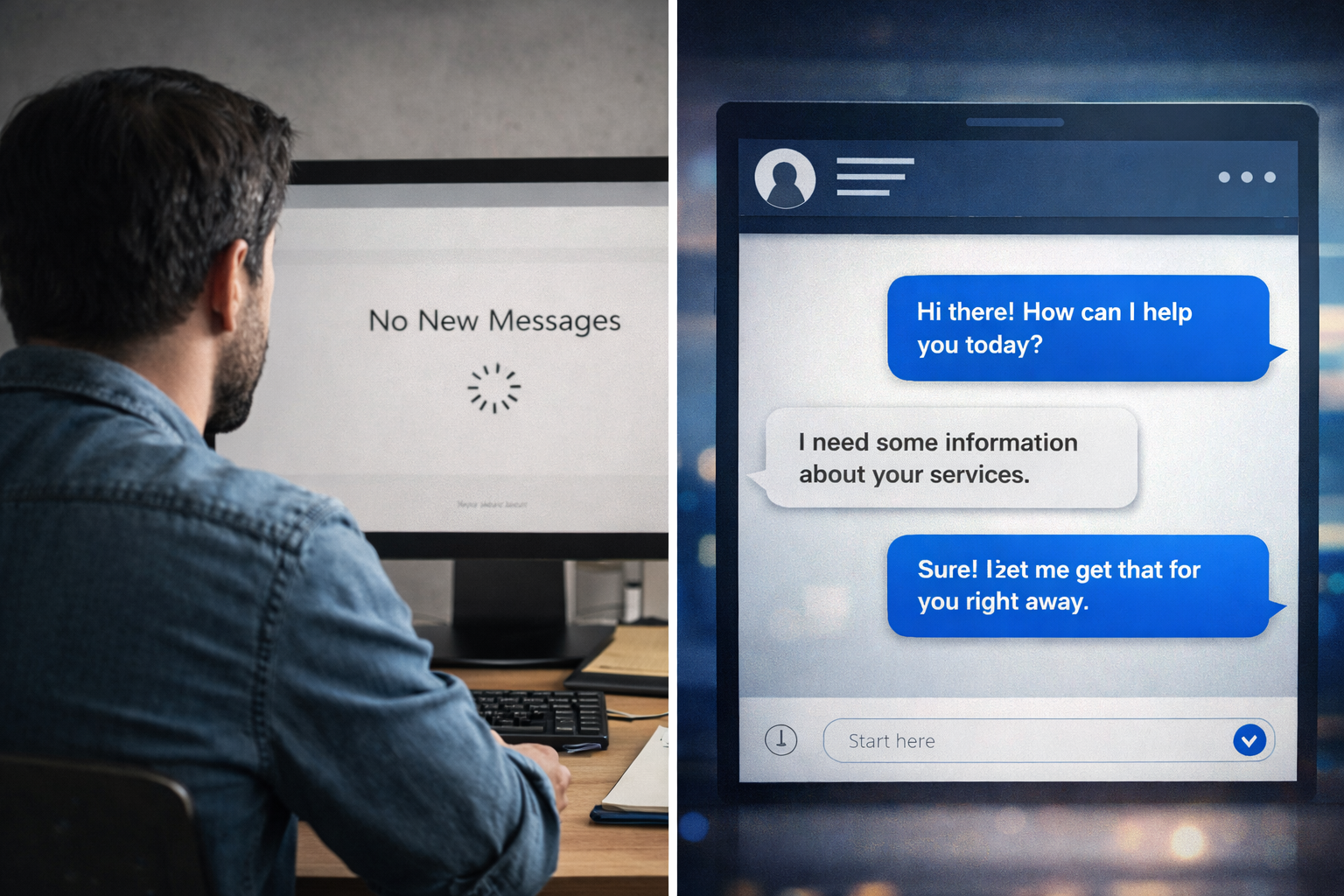
But most websites are still built for a world where customers wait.
They fill out a form.
They send an email.
They hope someone gets back to them.
That gap is not a marketing problem.
It is a structural mismatch between how the world now works and how most businesses are still set up.
Time naming AI as Person of the Year was not about technology winning.
It was about time changing.
Why this matters right now
AI was recognized not because it writes poems or passes exams.
It was recognized because it gives people back the one thing they cannot manufacture.
Time.
For business owners, that shows up in very simple ways.
Fewer missed leads.
Faster responses.
Less manual follow up.
Less being chained to an inbox.
The world has moved to real time.
Most websites have not.
That tension is why businesses are starting to feel invisible online even when their traffic looks fine.
This is not about chasing trends.
It is about aligning with the environment that now exists.
AI did not become Person of the Year because it is impressive.
It did so because the world quietly started running on it.
And anything that does not adapt to that reality will feel slower, less responsive, and less alive with every passing month.